Author: The DermaDraft
Honest skincare writing- no brand deals, no fluff,
no agenda. Just research-backed answers in plain
English from someone who broke their skin out trying
to fix it.
Tranexamic Acid: What It Actually Does, Who It Helps, and the One Question Dermatologists Still Debate
Tranexamic acid moved from hospital medicine to your skincare shelf almost overnight. Here's what it actually treats, how it compares to vitamin C, and the pregnancy question dermatologists still can't fully agree on
Fragrance in Skincare: When It’s Completely Fine and When It’s Silently Wrecking Your Skin Barrier
Fragrance in skincare gets blamed for everything, or excused for everything. Neither is right. Here's the honest answer, and why your ingredient label is about to change.
Snail Mucin Was an East Asian Beauty Secret for Decades Before Western Brands Started Charging $80 for It
Snail mucin has cost around $16 a bottle in Korea since the early 2010s. Some Western brands now charge $80 to $110 for the same ingredient, in a much smaller dose.
What Does Non-Comedogenic Actually Mean, and Why a Non-Comedogenic Product Might Still Break You Out
You chose the SPF because it said non-comedogenic. You still broke out. Here's why the label means almost nothing, and what the ingredient list is actually telling you.
Why Your Makeup Looks Cakey Even Though Your Skincare Is Good: The Skin Prep Problem
Cakey makeup with a good skincare routine isn’t about your foundation. It’s absorption timing, ingredient clashes, and over-layering, and here’s exactly how to fix it.
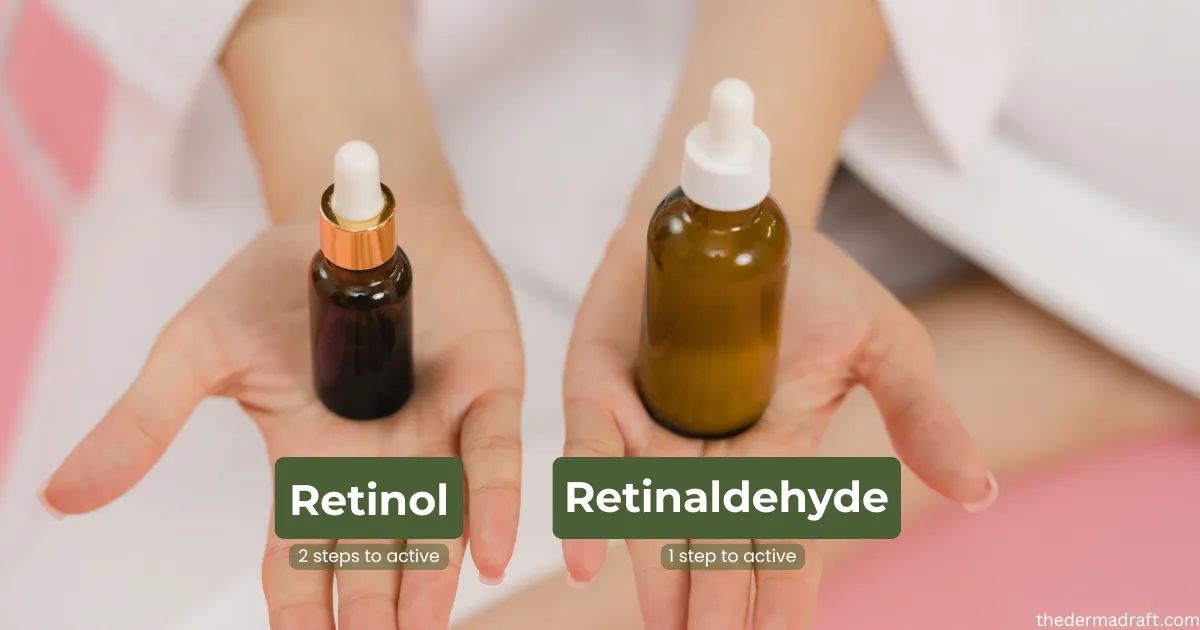
Retinaldehyde vs Retinol: The Missing Middle Step I Wish Someone Would Explain (And Why it Matters More Than Tretinoin)
Retinol isn't the only vitamin A option, and not always the best start. Retinaldehyde sits closer to the active form your skin uses, often with less redness and peeling. Here's how retinol, retinaldehyde, and tretinoin compare, and how to pick the right one without wrecking your barrier.
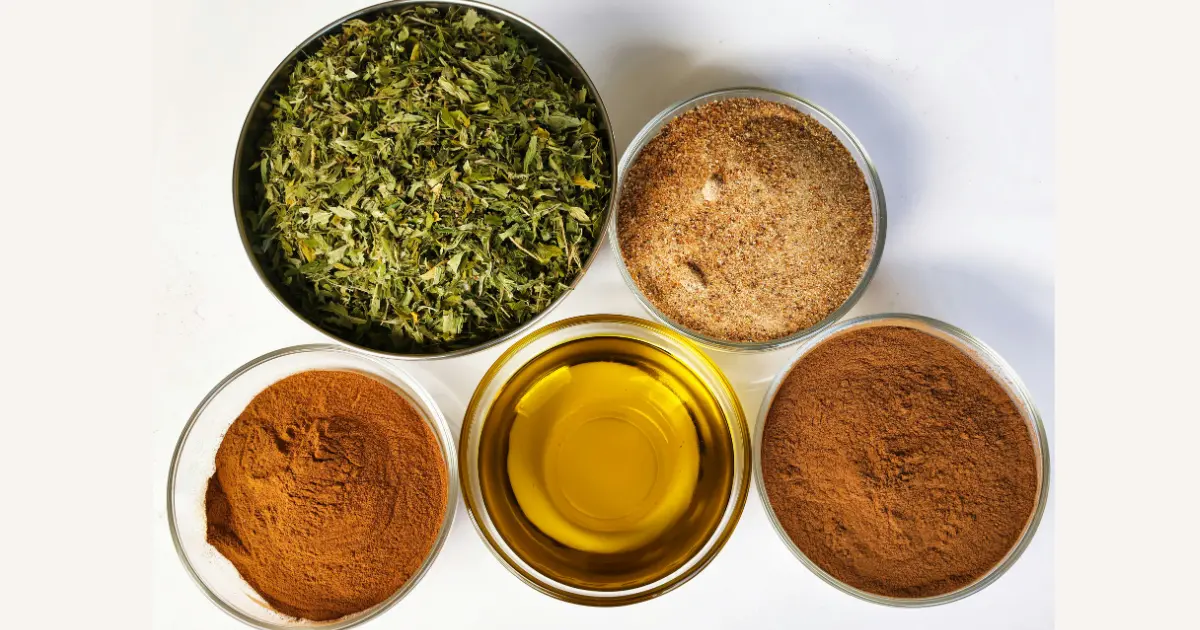
Ubtan vs K-Beauty: Your Grandmother Was Doing Glass Skin Before It Had a Name
Your grandmother's ubtan and your Korean skincare routine are solving the same problem. Here's the skin science that connects two ancient traditions — and a practical hybrid routine that uses both.
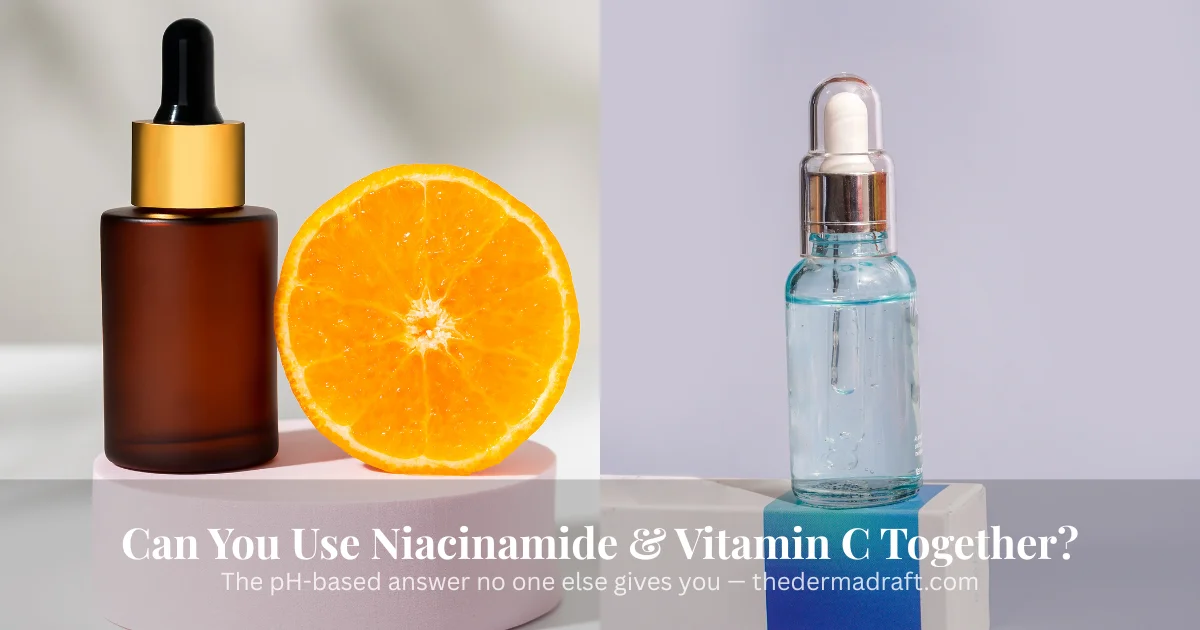
Can You Use Niacinamide and Vitamin C Together? The Real Answer Is More Interesting Than You Think
Most advice on mixing niacinamide and vitamin C gets it wrong in both directions. The real answer comes down to one thing: which form of vitamin C you're using and what pH it sits at. Here's the practical answer for your exact products.
Western Dermatology Spent Decades Ignoring These Asian Skincare Ingredients. Now It’s Quietly Adding Them to Everything
Western skincare brands now sell centella, bakuchiol, fermented galactomyces, and heartleaf as premium innovations. These ingredients have centuries of use across Korean, Chinese, Japanese, and Ayurvedic traditions. Here's the origin story, the science, and how to find the originals for a fraction of the western price.
Explore All Categories
🌱
The Groundwork
Building your first routine, or rebuilding after everything failed
🔍
Routine Troubleshooting
When you’re doing everything right and something still isn’t working
🧪
Ingredient Intelligence
What’s actually in your products and what each ingredient really does
🌏
The East-West
What Ayurveda, K-beauty, and Western dermatology agree on”
Get the Skincare Information Nobody Is Telling You
No brand deals. No sponsored posts. Just the honest version — straight to your inbox.