

KEY TAKEAWAYS
- Korean brands have sold snail mucin essence for around $15 to $20 a bottle since the early 2010s. Western brands now sell smaller bottles of the same basic formula for $80 to $110
- The ingredient started with Chilean snail farmers in the 1980s. Korean labs picked it up next. COSRX made it global in 2014
- A controlled clinical study found real improvement in fine lines after 12 weeks. Not a marketing claim. A published trial
- PDRN, sold as “salmon sperm serum,” is the ingredient getting the attention in 2026. It does not replace what snail mucin does
- I am not paid by any brand named here. Every price in this article is a public fact, not an endorsement
What Does Snail Mucin Actually Do?
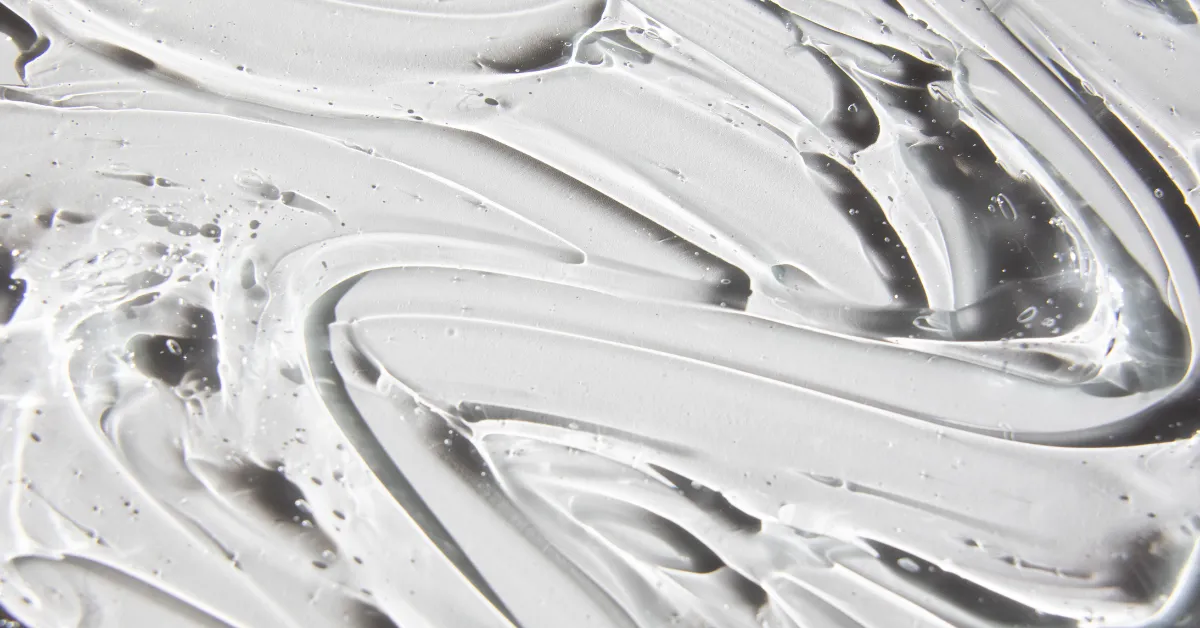
Snail mucin is the filtered secretion collected from garden snails. It hydrates skin, calms irritation, and helps repair a damaged skin barrier through a mix of glycoproteins, hyaluronic acid, and allantoin. Korean brands have built essences and creams around it since the 1980s. A controlled clinical study backs the hydration and repair claims, showing reduced fine lines after twelve weeks of consistent use.
I remember the first time I saw a snail on a skincare label. I laughed, put the bottle down, and walked away. Two years later I was using it every night. That’s snail mucin for you. It sounds strange until it works, and then you stop caring what it’s made of.
Snail mucin has been a staple in Korean beauty routines since long before it showed up on Western shelves. Shoppers in Seoul paid around fifteen dollars for a bottle of it back when most people outside Korea had never heard the term.
Now you’ll find the same basic ingredient in Western serums priced at eighty dollars, a hundred dollars, sometimes more. Same snail. Same filtrate. A very different price tag.
This article covers where snail mucin actually came from, what the research says it does, why the price gap between Korean and Western products runs so wide, and where PDRN, the ingredient taking over the headlines right now, fits into the picture.
Where Snail Mucin Actually Came From
Chilean snail farmers in the 1980s noticed their hands healed fast and stayed soft despite hard manual work. That observation traveled to Korean cosmetic labs, which spent years studying the filtrate and working out how to collect and stabilise it safely.
Korean brands built entire product lines around snail mucin through the 1990s and 2000s, long before most Western shoppers knew the ingredient existed.
It stayed a regional staple until COSRX released its Advanced Snail 96 Mucin Power Essence in 2014. That single product caught on with Reddit’s skincare community within a year and turned into one of the most repurchased Korean beauty products in the world.
It’s the reason most Western shoppers ever heard the word mucin attached to their face.

How It Gets Collected
Modern Korean brands mostly use a method where snails move across a mesh surface in a dark, calm space, and the secretion gets collected as they pass through. COSRX states its snails are not harmed in the process. Worth checking a brand’s own claims here, since not every company discloses its exact method.
What Is Actually Inside Snail Mucin
Snail secretion filtrate is not one single compound. A 2024 review in Biomolecules and Biomedicine breaks it down as a mix of allantoin, glycolic acid, proteins, glycosaminoglycans, and polyphenols, and each one does a different job on skin.
| Component | What It Does On Skin |
| Glycoproteins | Form a hydrating film on skin and support collagen and elastin activity |
| Hyaluronic acid | Draws water into the surface layers of skin for hydration |
| Allantoin | Soothes irritation and supports wound and blemish healing |
| Glycolic acid | Present in small, naturally occurring amounts for gentle surface exfoliation |
| Copper peptides | Support tissue repair and skin firmness over time |
None of these compounds are exotic on their own. What makes the filtrate useful is that a snail produces all of them together, in a natural balance that’s hard to copy with separate synthetic ingredients.
The research backs up more than the marketing copy.A 2013 study in the Journal of Drugs in Dermatology tested a snail secretion product on twenty five people with moderate to severe sun damage over twelve weeks.
Fine lines around the eyes improved on the treated side of the face, and the improvement held up two weeks after people stopped using the product.
A separate 2021 study in Veterinary Sciences found the filtrate sped up wound closure and raised collagen production markers in mice.
A systematic review in the Journal of Integrative Dermatology that pulled together ten separate clinical trials reported better hydration, less water loss through the skin, and improved healing after laser treatment across multiple studies.
None of this means snail mucin fixes every skin problem you have. It means the hydration and repair claims aren’t something a Korean brand’s marketing team just made up. There’s a real paper trail behind them.
If you want the same plain-language breakdown for the other actives most people layer alongside it, the guide on what niacinamide, hyaluronic acid, and retinol actually do cover each mechanism the same way this section does, including where an ingredient like this fits into a full routine.
I still recommend patch testing any new active before you commit to it daily, snail mucin included. Good research on a population does not guarantee your own skin reacts the same way.
The Price Gap, By the Numbers
The price gap is more interesting than you think.
| Product | Origin | Price | Size | Price Per ml |
| COSRX Advanced Snail 96 Mucin Power Essence | Korea | $16.30 | 100ml | ~$0.16/ml |
| Dubose Re-Du Serum | United States | $110 | 54ml | ~$2.04/ml |
That’s more than twelve times the cost per millilitre for the US product. Check the ingredient list and snail secretion filtrate sits fourth on the Dubose formula, behind water, hyaluronic acid, and butylene glycol.
That placement usually means a smaller share of the formula than you get in a Korean essence, where snail filtrate is often the second or third ingredient listed at ninety percent or higher.
I’m naming Dubose here because the price and ingredient order are public facts, not because I think the brand is doing anything wrong.
Plenty of Western brands follow the same pattern. Charge premium prices for a formula that leans on other ingredients, while snail mucin sits further down the list doing less of the actual work than the marketing suggests.
Where the Markup Actually Goes
The extra money you pay for a Western snail mucin product mostly isn’t going toward more snails. It’s going toward glass packaging, marketing budgets, retail markup at department stores, and brand positioning.
Korean skincare brands tend to run leaner. Manufacturing and packaging costs in Korea sit well below equivalent costs in the US or Europe, and Korean brands keep packaging simple, plastic tubes and pump bottles instead of double boxed glass jars. Every dollar saved there tends to get passed straight through in the retail price.
This is the same pattern covered in the article on the seven Asian skincare ingredients western brands quietly copied, which tracks near-identical markups across centella asiatica, bakuchiol, and fermented galactomyces.
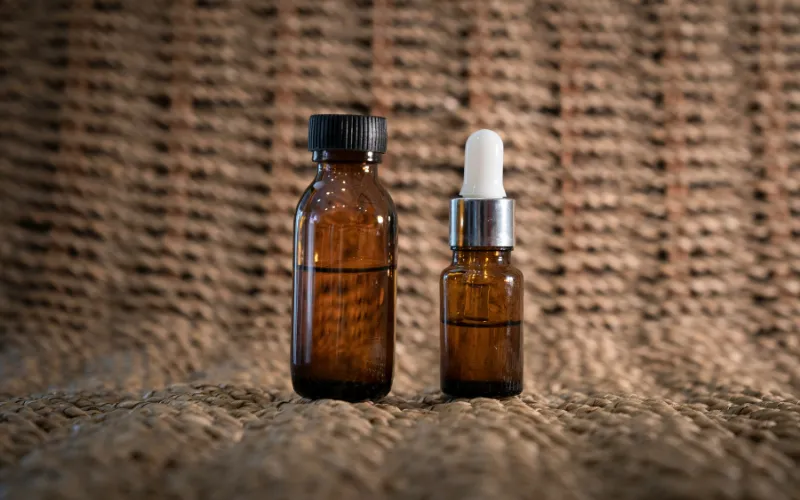
The packaging changes. The ingredient doesn’t.
That’s not a criticism of Western brands for charging more. Building a brand costs money, and some people are happy to pay for the experience, the packaging, or the story as much as the ingredient itself. It’s just a reason to know what you’re actually paying for before you decide it’s worth it.
Is Snail Mucin Still Worth It Now That PDRN Is Trending?
If you’ve spent any time on skincare TikTok in 2026, you’ve probably seen PDRN everywhere. Sold as salmon sperm serum or salmon DNA, it comes from purified DNA fragments, mostly sourced from salmon milt, though vegan plant based versions exist too now.
PDRN started in Korean clinics as an injectable for wound healing and has since moved into topical serums and creams.
PDRN and snail mucin aren’t fighting for the same job. The clinical evidence for PDRN is strongest for injectable use, where it stimulates deeper skin repair. Topical PDRN products haven’t been studied nearly as thoroughly, and some of the newer vegan versions have even less research behind them than the original salmon derived form.
Snail mucin, on the other hand, has more than a decade of consistent topical research behind it, including the controlled study on fine lines mentioned above.
If you’re chasing whatever ingredient is newest, PDRN is what’s getting the attention right now. If you want something with a longer track record for daily hydration and barrier support, snail mucin hasn’t gone anywhere.
You don’t need to pick one over the other. Plenty of routines use both without any issue.
The same extraction-and-reprice pattern shows up outside K-beauty too. The article on ubtan vs K-beauty walks through the identical story from a South Asian angle, turmeric and gram flour instead of snail filtrate, same markup once a Western brand gets hold of it.
How to Read the Label Before You Buy
Ingredients are listed in descending order of concentration. That rule applies here just as much as it does anywhere else.
- Look for: snail secretion filtrate, snail mucin extract, or snail gel, listed within the first three to five ingredients, ideally above ninety percent.
- COSRX, Mizon, and Beauty of Joseon list it there. None of them cost more than twenty dollars for a full size bottle.
- If “snail” is in the product name but the filtrate sits near the bottom of a long ingredient list, you’re paying for the word, not the substance.
That five minute label check is worth more than any marketing claim on the box.
Frequently Asked Questions
What does snail mucin actually do for skin?
Snail mucin hydrates skin, supports the skin barrier, and helps calm redness and irritation. The research shows it can reduce fine lines after consistent use and speed up wound healing. Treat it as a daily support ingredient, not a quick fix.
Is snail mucin safe for sensitive skin?
Yes, for most people. It’s fragrance free in most formulas and rarely causes irritation. If you have a shellfish or dust mite allergy, patch test first, since cross reactivity has been reported in rare cases.
How long does it take to see results from snail mucin?
Hydration improves within days. Texture and post-acne marks take four to eight weeks of consistent use. Fine lines take closer to twelve weeks, based on the clinical research. Give it a full month before deciding it isn’t working.
Why is snail mucin so expensive in Western stores?
The extra cost mostly covers packaging, marketing, and retail markup, not a bigger dose of the ingredient. Western brands selling the same ingredient often list it lower on the ingredient list, meaning less of it for more money.
Is snail mucin vegan or cruelty free?
No, it’s not vegan since it comes from a live animal. Most major Korean brands, including COSRX, state their snails aren’t harmed during collection. Look for brands that clearly disclose their method rather than ones that stay vague about it.
Can I use snail mucin with retinol or vitamin C?
Yes. It layers well with most other actives. Apply it at the essence step, right after cleansing and toning, before heavier serums and moisturizer.
Is PDRN better than snail mucin?
Not better, just different. PDRN’s clinical evidence is strongest in injectable form, and topical PDRN research is still limited. Snail mucin has over a decade of topical research behind it. Some people use both.
Does snail mucin help with acne scars?
It can help fade the appearance of post-acne marks over time, thanks to the allantoin and glycolic acid naturally present in the filtrate. Results are gradual and work best on flat discoloration rather than deep pitted scars.
How do I know if a snail mucin product actually works?
Check the ingredient list, not the front label. Snail secretion filtrate should sit near the top, ideally above ninety percent. If it’s buried near the bottom of a long list, you’re paying for the name more than the substance.
Can I use snail mucin every day?
Yes, morning and night both work fine. Most people use it as a daily essence step in both routines without any issue.
The Bottom Line
Snail mucin earned its reputation the slow way. Decades of daily use in Korea, long before Western brands noticed it. The research holds up. The price doesn’t need to be eighty dollars.
Your skin doesn’t know the difference between a sixteen dollar bottle and a hundred and ten dollar one. The ingredient does the same job either way. Knowing that is the only real advantage you need.
Related Articles
- what niacinamide, hyaluronic acid, and retinol actually do and how to layer them correctly: To understand the core actives alongside these Eastern ingredients
- 7 Skincare ingredients western brands quietly copied: A comparison of natural Asian skincare ingredients to costly Western skincare ingredients
- Ubtan vs K-Beauty: A comparison between an Ayurvadic & Korean Ingredients which give same benefits to skin
Sources
- Biomolecules and Biomedicine (2024): Hidden Benefits of Snail Mucus: A Natural Skincare Marvel
- Journal of Drugs in Dermatology (2013): The Effects of Filtrate of the Secretion of the Cryptomphalus Aspersa on Photoaged Skin
- Veterinary Sciences (2021): The Protective Effect of Snail Secretion Filtrate in an Experimental Model of Excisional Wounds in Mice
- Journal of Integrative Dermatology (2023): Snails and Skin: A Systematic Review on the Effects of Snail-based Products on Skin Health
About the Author
Hi, I’m Sidra.
I’m not a dermatologist or any kind of skincare pro, I’m just someone like you, who got sick of constantly switching up products and never having a clue what was really working. After years of trial and error, I decided to focus on one thing: consistency.
I test routines on myself, I track results in detail, and I write about what realistically shifts and what doesn’t. My aim is to dispel hype and discuss skin-care the way I would with a friend: practical, honest, and backed by patience instead of promises.
Skin type: Normal to dry skin with mild sensitivity
The information in this article is for educational purposes only and does not replace professional dermatological advice. If you have a specific skin condition or concern, please speak with a qualified healthcare provider.